May 1, 2026
Opinions
Opinions
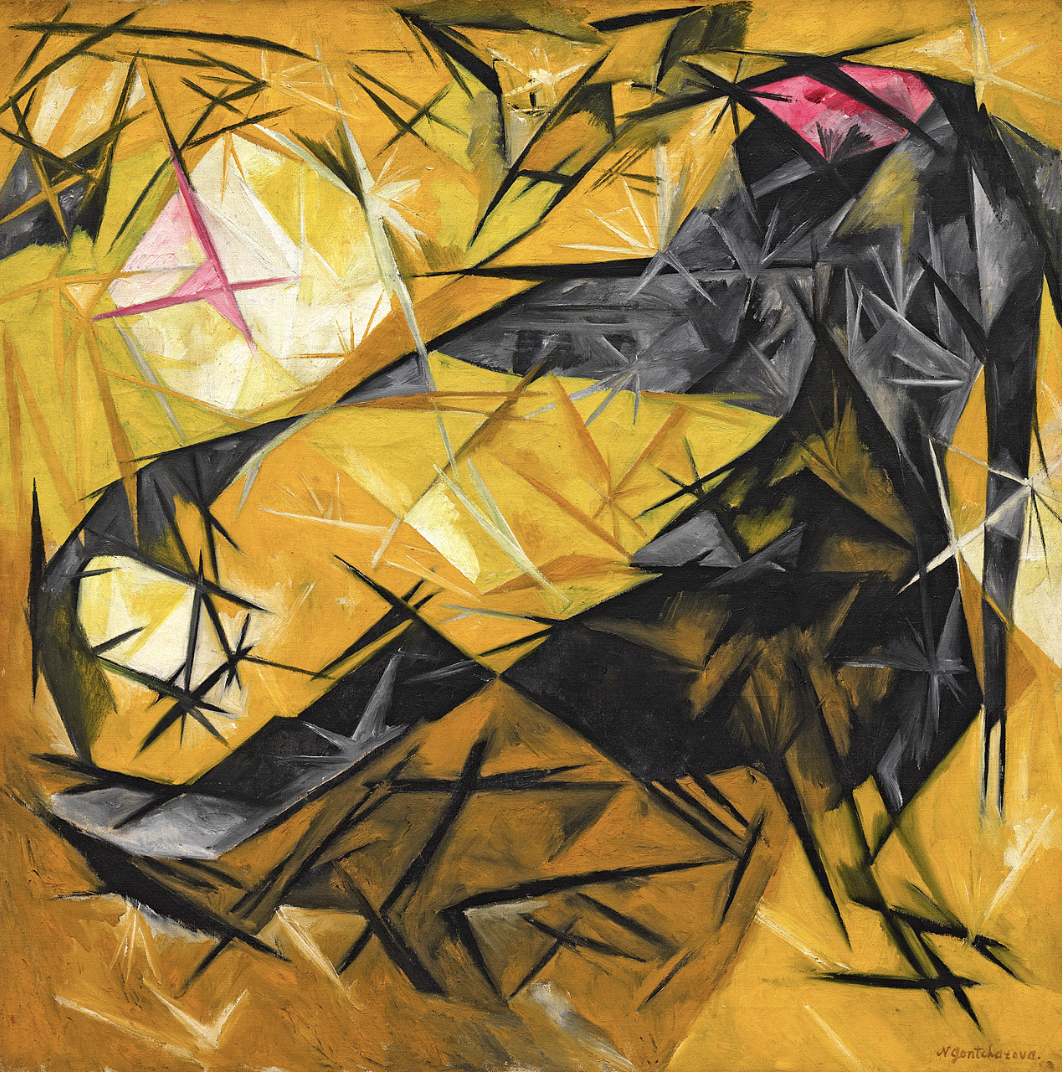
Cara explores how Natalia Goncharova redirects the ambitious, often technologically oriented rhetoric of Russian avant-garde abstraction toward an intimate and playful subject: domestic cats.

The transient beauty of a Japanese teacher’s chalkboard masterpieces


High school teacher Hirotaka Hamasaki, known on instagram and twitter as @hamacream, has been going viral for the remarkable chalk drawings he creates for his students. Every day, he uses chalk to painstakingly create intricate drawings, either faithfully reproducing known masterpieces or capturing the likeness of his students’ favorite characters. The pictures of his work are impressive, to say the least, but after photographing his creations and letting them be admired for a little, he simply erases them.

It seems crazy that someone could spend so much time creating something so beautiful only to wipe it away. While his drawings live on in their digital form, delighting millions of people on the internet, the people who he creates for are his students, and he erases each piece so that he can greet them with something new the following day. It’s remarkably moving.

In the digital age, art is not subject to the forces of nature that will inevitably cause its decay; it is preserved in the form of NFTs so that it will outlive us all. Mr. Hamasaki’s work shows the other extreme. Chalk is of the most ephemeral of substances and even blowing on it will affect how it looks. More than that, he creates these pieces knowing that they must be erased soon after. Their purpose is not to last, but to momentarily inspire and captivate his students.
Cara explores how Natalia Goncharova redirects the ambitious, often technologically oriented rhetoric of Russian avant-garde abstraction toward an intimate and playful subject: domestic cats.
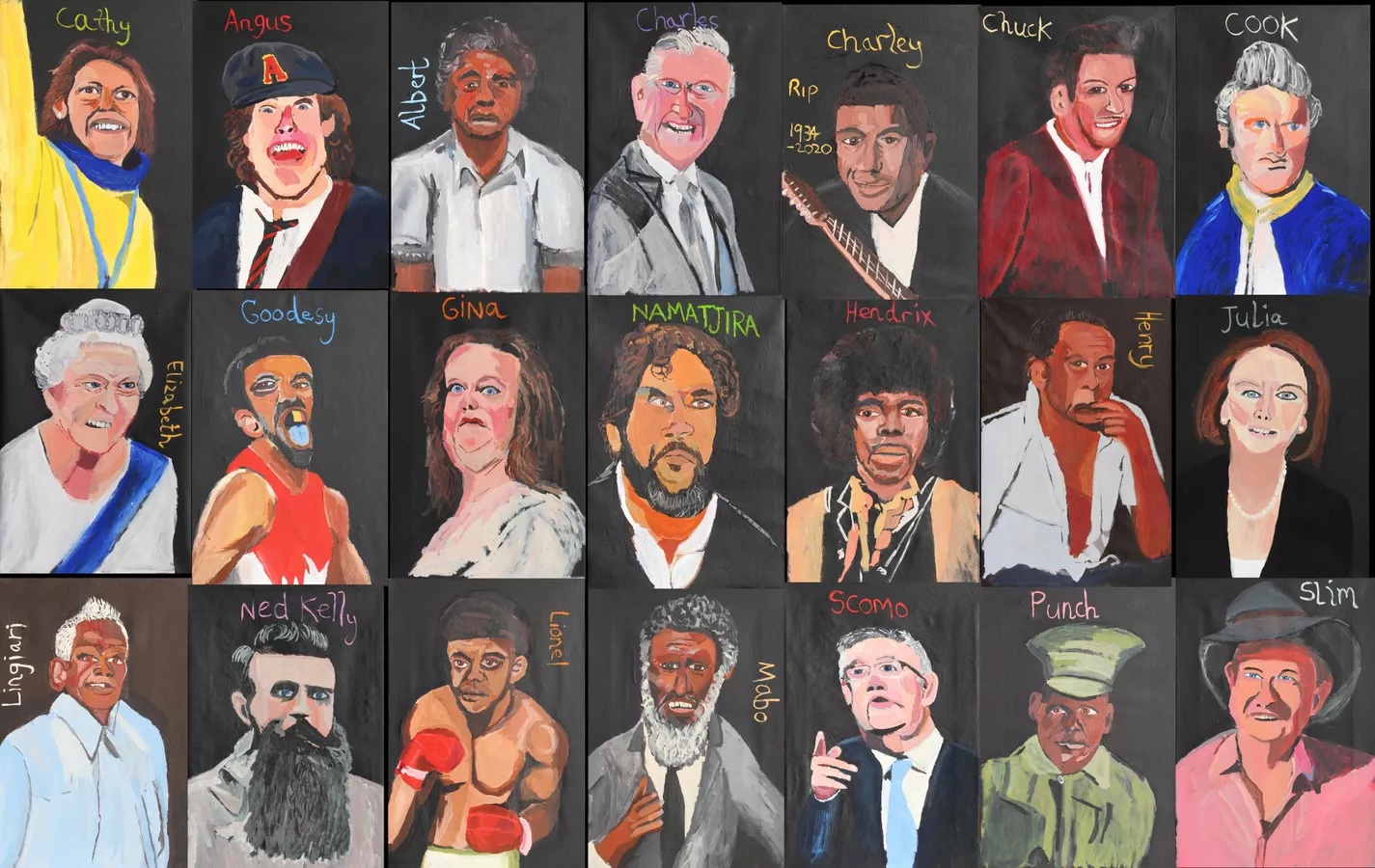
Kate explores how Australian artist Vincent Namatjira redefines portraiture to confront the legacies of colonialism while envisioning a more inclusive future—one expansive enough to embrace all Australians.

Clarke Reynolds (Mr. Dot) talks with the Art Review about interactive art, changing the narrative around blindness, and creating a world where art is more accessible for all.