May 1, 2026
Opinions
Opinions
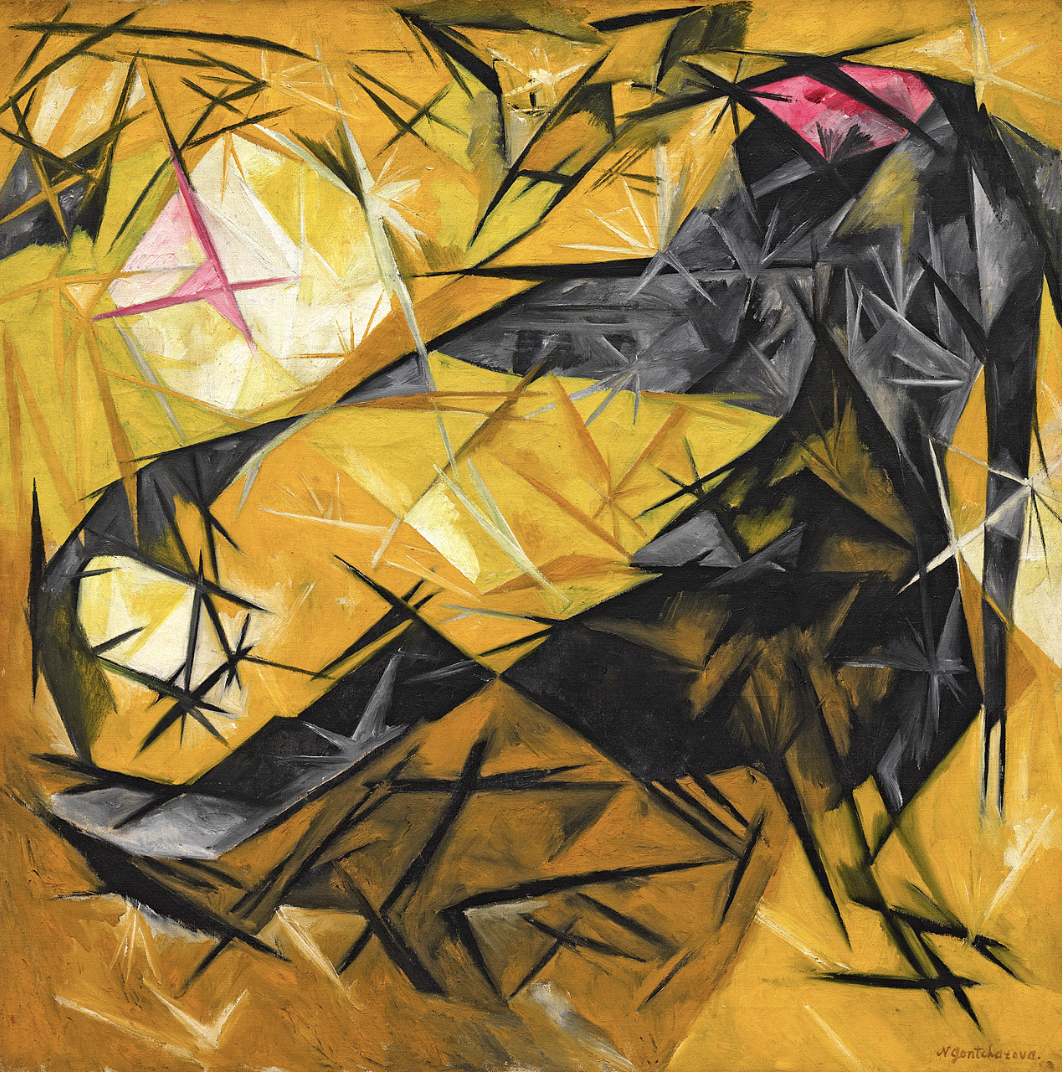
Cara explores how Natalia Goncharova redirects the ambitious, often technologically oriented rhetoric of Russian avant-garde abstraction toward an intimate and playful subject: domestic cats.

This year’s Desert X Biennial visits California’s Coachella Valley with quiet, socially conscious installations in response to the exhibition’s prior controversy.


From March to May, the Desert X Biennial has scattered large-scale, site-specific contemporary works throughout the expansive landscape of the Coachella Desert, just outside of Palm Springs. The Biennial is still in its infancy, and since its emergence in 2017, it has already made major shifts from its early vision after raising criticism largely. Initially, Desert X’s marketing described the California desert as a “frontier” echoing language used in American Colonial Expansion, in an attempt to define/describe the landscape as a place of wonder where anything could happen. The works reflected this– eye-catching, bold, and incredibly instagrammable–but lacked the critical social nuance the site-specific works demanded. Many criticized the Biennial’s insensitivity regarding the land’s history of native expulsion, in addition to current-day economic disparity. Most glaringly, the Biennial’s 2020 Saudi Arabian expansion led to the resignation of three board members in protest of the country’s human-rights violations.
Despite its controversial beginnings, the young Biennial has made major changes to respond to this needed criticism. This year’s offerings are quieter, smaller scale, and more conceptually conscious. Diana Campbell, a current curator, describes how “one of the many challenges of this project is not to over-romanticize this “tenacity” and to work with art, artists, and storytelling to address real problems (that are not just stories) facing humans and non-humans who live in the Coachella Valley today,” referring to shrugging off the “frontier” ethos (Desert X).
This year, the Biennial showcases works considering water quality and accessibility in landscapes of scarcity (image 1) and indigenous and black foremothers bearing the brunt of American expansion (image 2). Additionally, the photographic work of artist and teacher Tyre Nichols are included along interstate 10 (image 3). The exhibition of works by Nichols, whose tragic January death by police brutality echoed nationwide, concurs with the proposed senate bill 50, preventing California officers from stopping drivers for small-scale infractions (ArtNews). These offerings are on view until May 7 and are open and free to the public.

Lauren Bon and Metabolic Studio, The Smallest Sea With the Largest Heart (Desert X)

Tschabalala Self, Pioneer (New York Times)

Tyre Nichols, Originals (ArtNews)
Cara explores how Natalia Goncharova redirects the ambitious, often technologically oriented rhetoric of Russian avant-garde abstraction toward an intimate and playful subject: domestic cats.
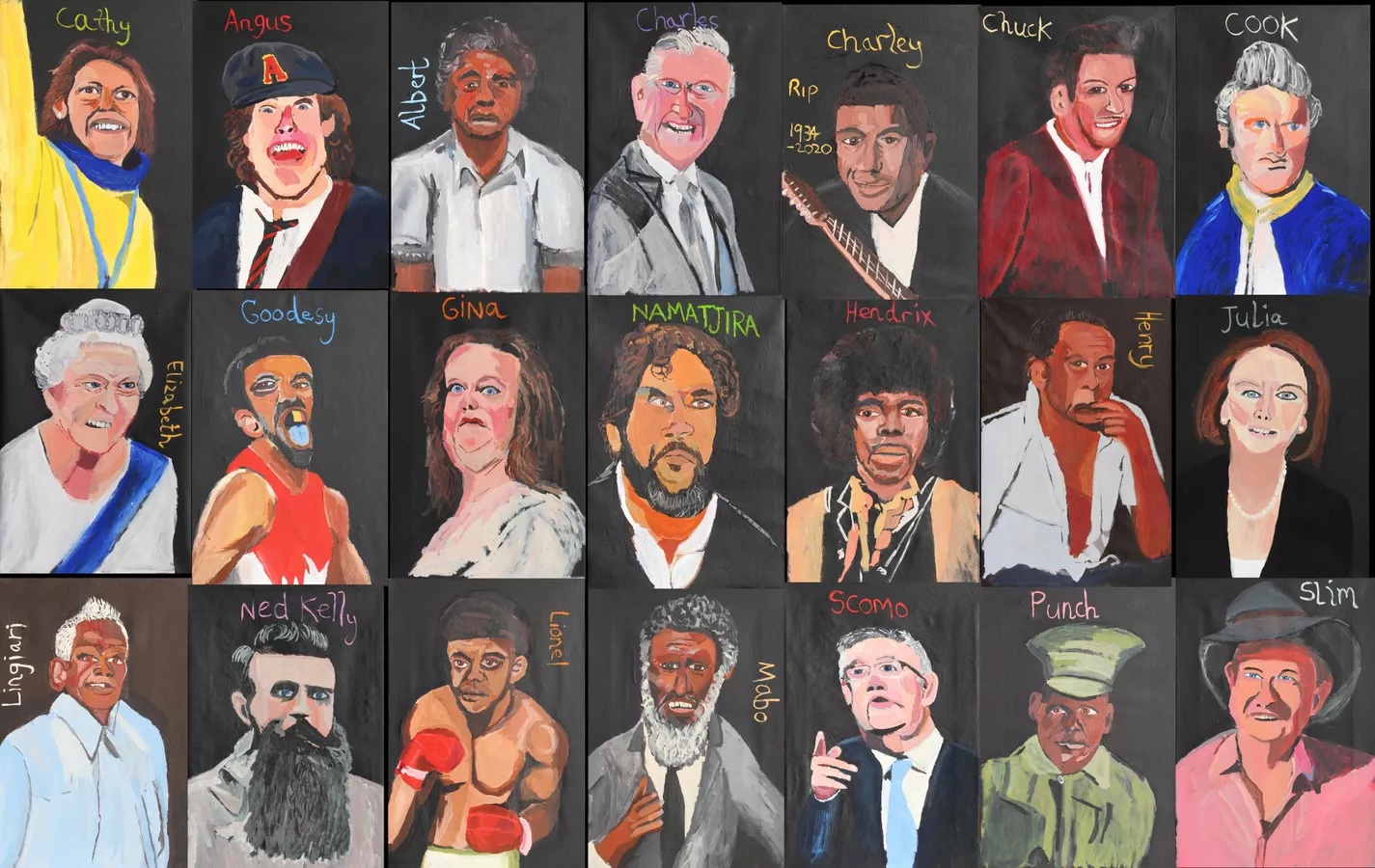
Kate explores how Australian artist Vincent Namatjira redefines portraiture to confront the legacies of colonialism while envisioning a more inclusive future—one expansive enough to embrace all Australians.

Clarke Reynolds (Mr. Dot) talks with the Art Review about interactive art, changing the narrative around blindness, and creating a world where art is more accessible for all.