.jpg)
May 1, 2026
Opinions
Opinions

Cara explores how Natalia Goncharova redirects the ambitious, often technologically oriented rhetoric of Russian avant-garde abstraction toward an intimate and playful subject: domestic cats.

The Culture Wars of the eighties saw a struggle for dominance between queer rights and conservatism. Campbell considers how prominent artists at the time pursued confrontational thematizations of queerness that destabilized public consensus on sexuality, race, and religion, transforming art into a confrontational political battleground.


During the 80s and 90s, the Culture Wars were at the forefront of every media outlet, namely the NEA’s decisions and artists like Robert Mapplethorpe, Andres Serrano, and David Wojnarowicz. The National Endowment for the Arts (NEA) was at the helm of federal funding allotted to artists. The Culture Wars hyper-politicized the significance of the LGBTQ+ community and were especially critical to art produced through federal funding. During the 80s and 90s in America, there was Reagan-era conservatism, an era often synonymous with the Christian Right. Under Ronald Reagan’s presidency, the United States saw an emphasis on the nuclear family, religious conservatism, and a slow response to the AIDS crisis, all of which were strides taken against queer people, whether actively or not. Due to these institutionalized morals, the NEA was under significant scrutiny for where its funding was going. Citizens criticized the association and claimed they were weaponizing public morality as a political tool. Art was no longer viewed merely as commentary but as evidence in ideological trials. This funding was jeopardized when Americans felt scandalized by the art of the era, claiming its queerness and spotlight on sodomy did not agree with patriotic ideals, specifically Christian righteousness. The three aforementioned artists positioned themselves at the center stage during this controversial period, spotlighting their detachment from traditional art. They favored confrontational authorship, destabilizing public consensus on sexuality, race, and religion, and transformed art into a direct political battleground. These men, who intentionally engaged viewers with queerness, were the successors of an earlier generation of queer artists like Andy Warhol and Keith Haring, who worked indirectly to engage mass culture with aspects of their identity.
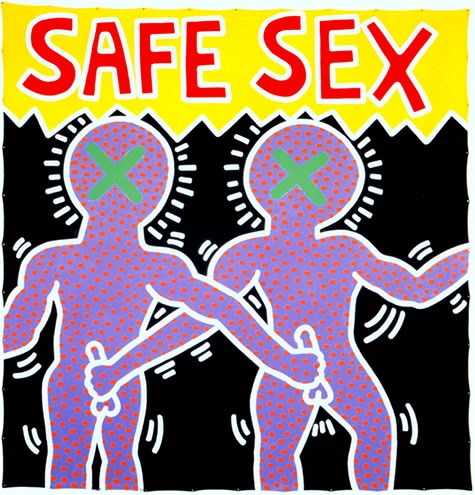
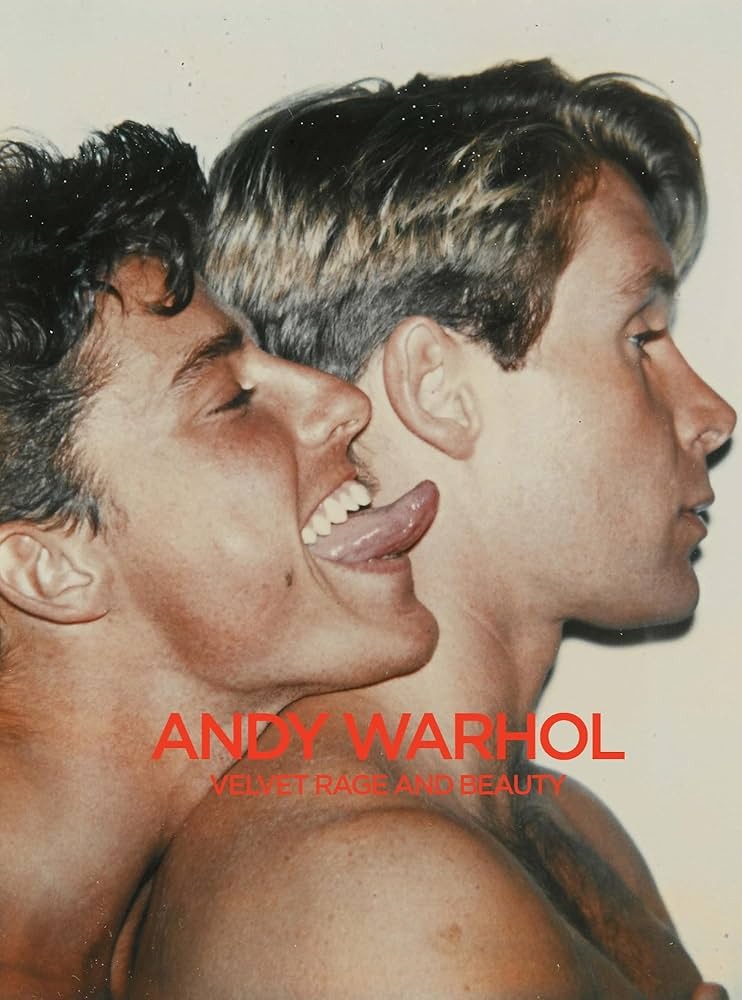
Andy Warhol infamously engaged with fame and all things superficial in the late 20th century. In 1963, Warhol told Time Magazine his desire “to be a machine” with the work he produced. Warhol’s technical outlook on art shows his detachment from all things personal. Well known for his public queerness, he wanted to separate his identity from his art. He did not want his identity flattened into a commodity, nor did he want his sexuality to complicate his stance in the global art market. Similar to Warhol, Keith Haring was another openly gay artist during the late 20th century. His art possessed a graphic immediacy and was very accessible to the public, being showcased in the New York City graffiti scene before picking up traction in the art world. As an AIDS-Awareness activist (and advocate for other social justice movements), he used his following to promote equal rights through visually legible pop formalism, which drew on a collective language of symbols that viewers could easily identify. Where Haring diverged from fellow pop artist Warhol in his treatment of queerness in his work can be observed in his blatant thematic content of protest in art. Although Haring does not explicitly state his queerness in his art, he is not passive with his references. Both artists worked within mass culture, using the visual language and symbols of public-facing mass media and graphic street art to communicate.
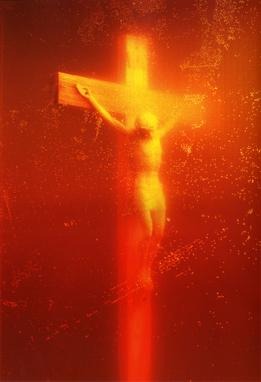
Unlike Warhol’s ironic distance, Serrano weaponized devotional imagery to collapse aesthetic and spiritual experience. Andres Serrano ignited debates over his public funding with his Immersion (Piss Christ) in 1987 due to how it starkly contradicted beliefs during the era. By soaking a cross with Jesus crucified in human piss, it was clear why Serrano’s art was upsetting to some. Though Serrano claimed the work was not anti-Christian, he sought a quasi-religious experience. Serrano’s supposed “benign” work invoked the dichotomy between sacred iconography and bodily fluids. Critics distilled the piece for how it refuted norms and reduced the work down to its anti-Christian ideals rather than considering the artist’s intentions, whether innocuous or not. Due to this piece that became the subject of a politically charged debate, Serrano was positioned as the “poster boy” of Culture Wars, despite not identifying as a queer activist artist.
In parallel, when examining the culture wars, one must consider the two arguably most provocative artists: David Wojnarowicz and Robert Mapplethorpe. Both American artists were active members of the counterculture, specifically supporting the AIDS crisis and the queer community. Wojnarowicz was condemned for his 1987 piece Water by Donald Wildmon, a minister. He was scolded for producing such a pornographic and anti-Christian artwork that was too scandalous for the American public (more specifically, the Christian Right). Wojnarowicz, aware of this cultural norm, wanted to foreground his gayness and create art as testimony during the AIDS crisis. Water is a direct confrontation with Christian Right rhetoric. Wojnarowicz insists on lived experience as political evidence, rejecting Warholian detachment.
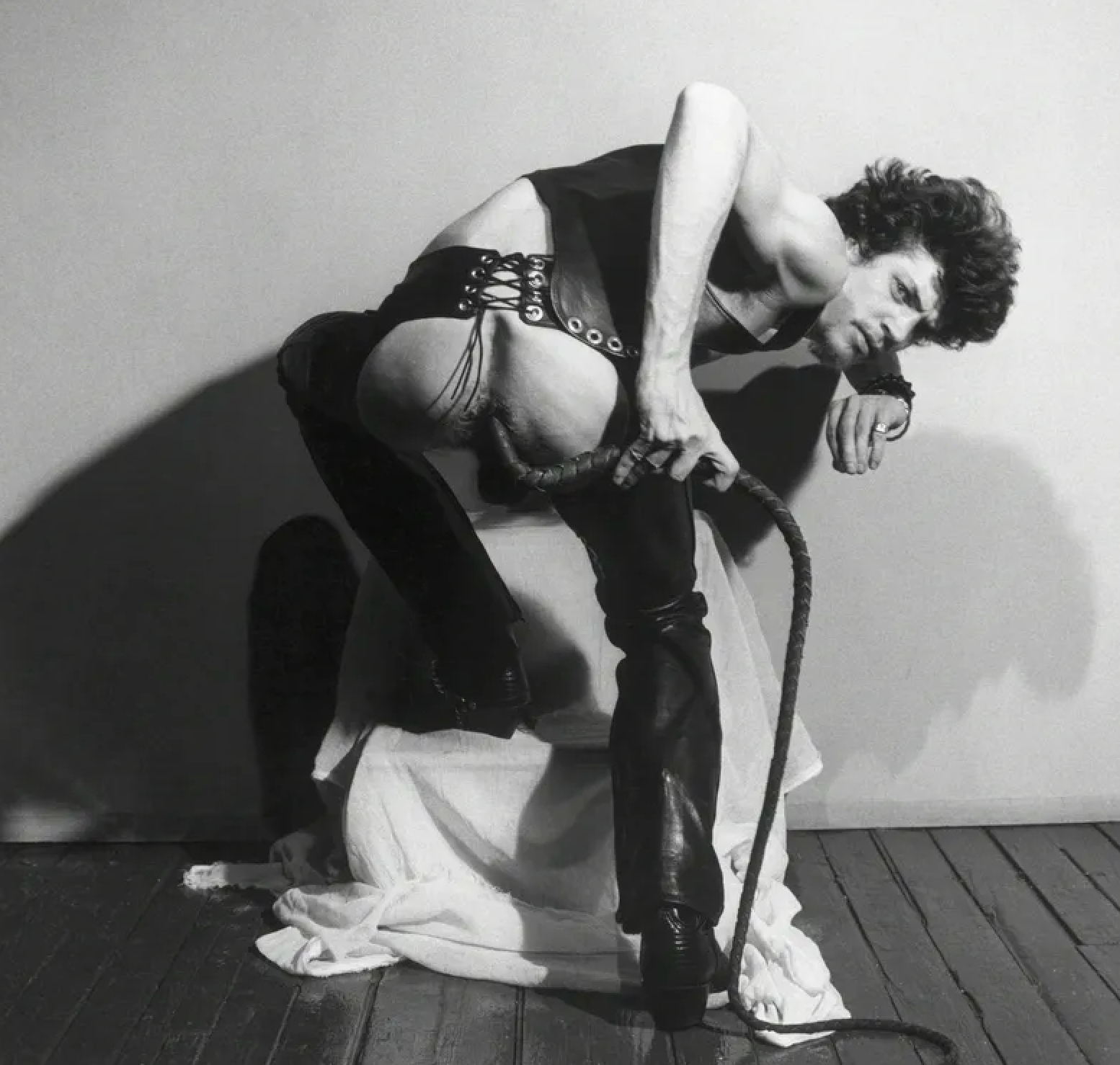
Mapplethorpe, another openly gay artist, was an active member of the culture wars, protesting homophobia and AIDS propaganda. Mapplethorpe produced several works titled Self Portrait, displaying himself in very provocative poses, often nude. Mapplethorpe also produced a series of images featuring nude black men in his Black Book, drawing viewers’ attention to the anxieties regarding black male sovereignty. These collections of images sparked controversy over the NEA’s public funding and whether or not federal funds should be going towards nudist art promoting the LGBTQ+ community.
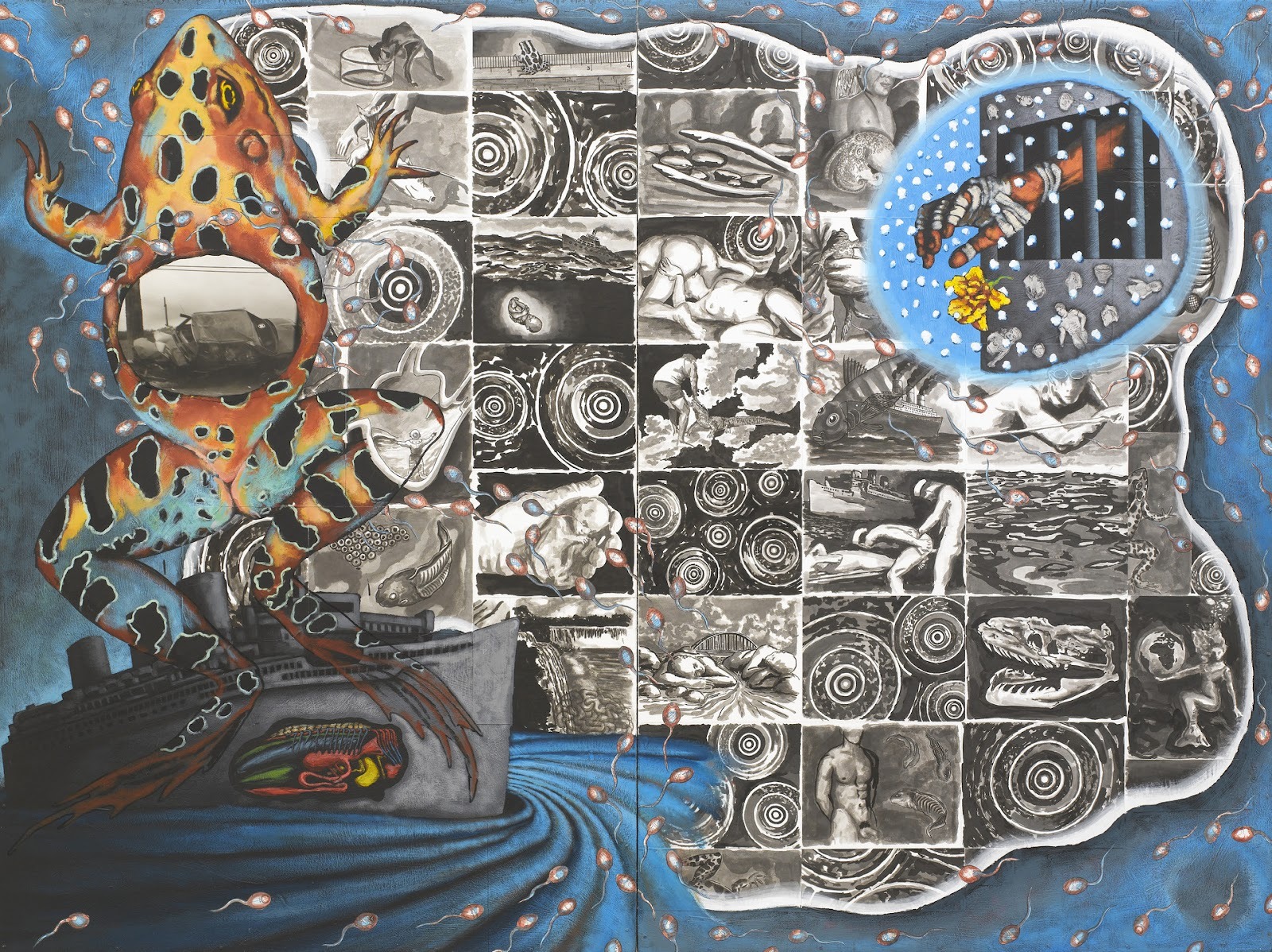
From Warhol’s impersonal works, i.e., Warholian Detachment, to Mapplethorpe's full frontals, there was a spectrum of queerness in art that the NEA was struggling to grapple with during the Reagan era. On one end, Warhol exemplified neutrality and the commodification of art as a gay man, and Haring demonstrated the power of accessible activism. On the other end Mapplethorpe and Wojnarowicz showed the power of erotic extremism and art as a means to protest. These artists showed the transformation of pop art from an era of ambiguity into a Culture War of absolutism. The culture wars, starring these queer protagonists, marked a shift from obscure messaging to ideological confrontation in art. The debate over representation, identity, and public funding redefined authorship in contemporary art. The legacy persists: art is no longer “about” culture but embedded within its political frameworks.
(Cover Image: Keith Haring, Untitled, 1989 via Haring Foundation Blog)
Cara explores how Natalia Goncharova redirects the ambitious, often technologically oriented rhetoric of Russian avant-garde abstraction toward an intimate and playful subject: domestic cats.
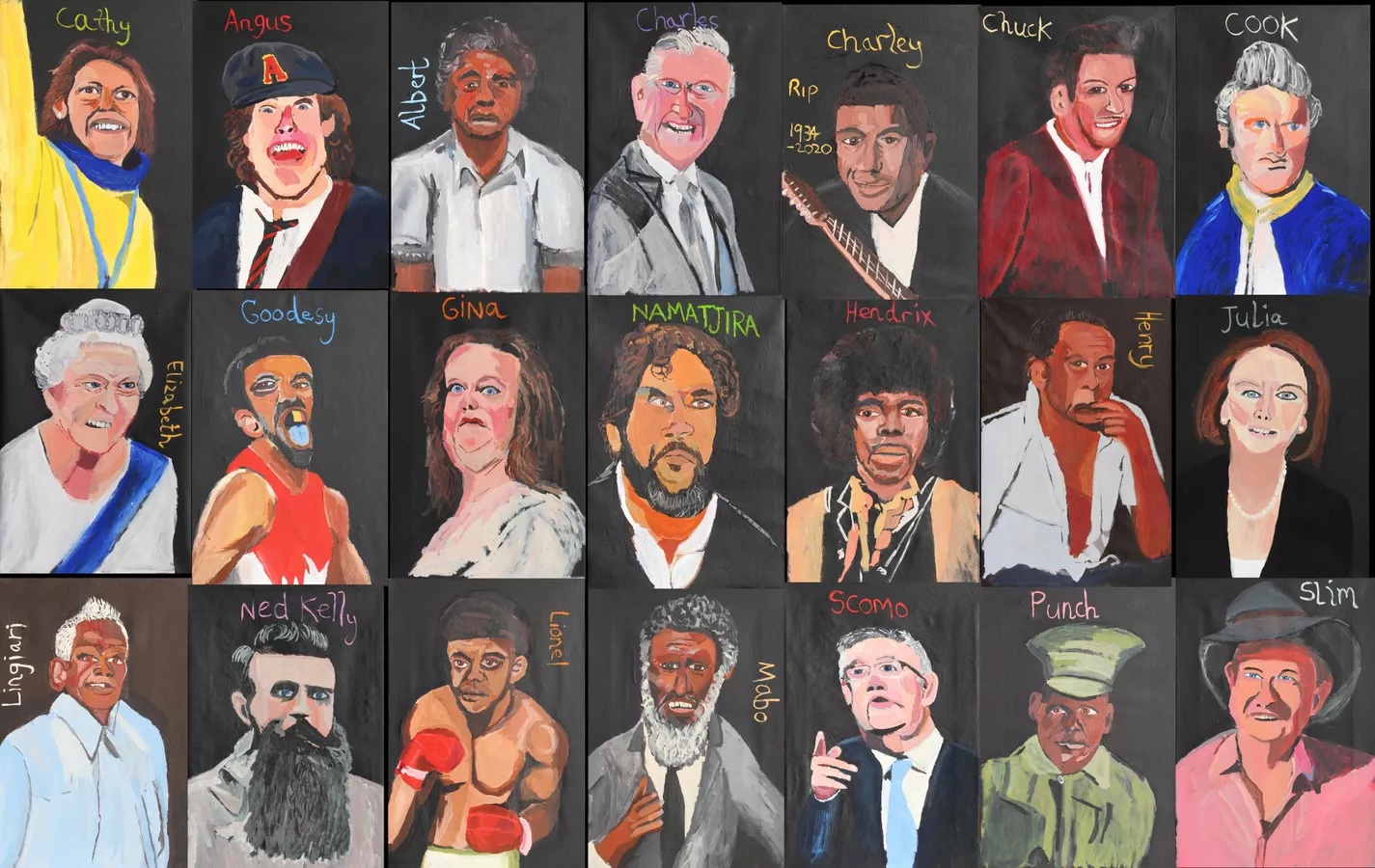
Kate explores how Australian artist Vincent Namatjira redefines portraiture to confront the legacies of colonialism while envisioning a more inclusive future—one expansive enough to embrace all Australians.

Clarke Reynolds (Mr. Dot) talks with the Art Review about interactive art, changing the narrative around blindness, and creating a world where art is more accessible for all.