May 1, 2026
Opinions
Opinions
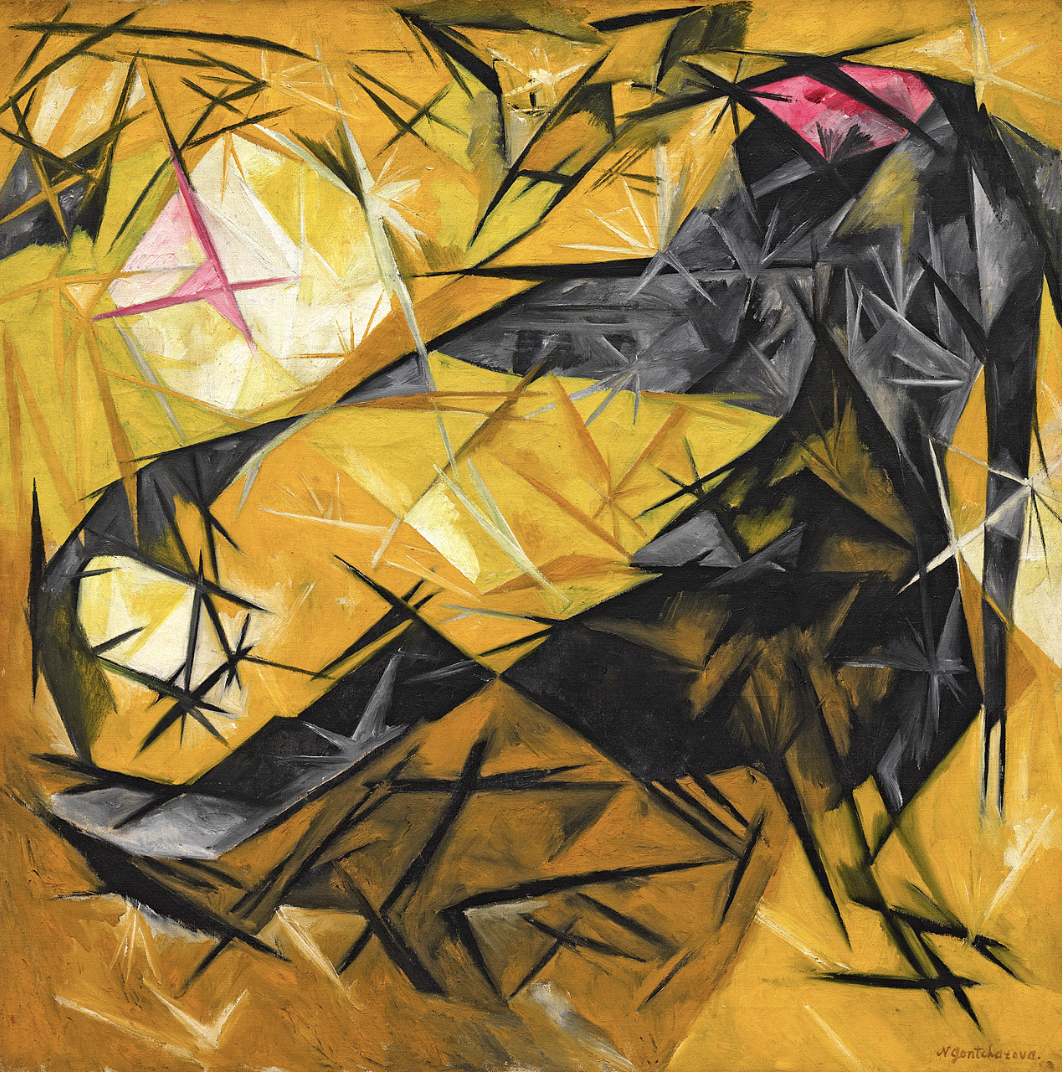
Cara explores how Natalia Goncharova redirects the ambitious, often technologically oriented rhetoric of Russian avant-garde abstraction toward an intimate and playful subject: domestic cats.

The biggest art theft in modern history is a mystery left unsolved for over 30 years. Is it now a lost cause? Netflix’s This Is a Robbery: The World’s Biggest Art Heist shed a new light on the ongoing investigation that is, unsurprisingly, leading nowhere. A year after the show’s release, we still know nothing.


In the early hours of March 18th, 1990, $500 million worth of artwork was stolen from Boston’s Isabella Stewart Gardner Museum. In the biggest art heist in modern history, 13 pieces were stolen over 81 minutes by two men disguised as policemen who claimed to be investigating a disturbance. They were allowed into the museum by one of two guards on duty that night, and left with precious artworks that have yet to be recovered almost 33 years later. The lost works include three Rembrandts (one of which, The Storm on the Sea of Galilee, is the Dutch master’s only known seascape), one of only 36 paintings by Vermeer, paintings and sketches by Degas, a painting by Manet, and the finial from the Napoleonic flag.
The 2021 Netflix docuseries This Is a Robbery: The World’s Biggest Art Heist shines a new light on the ongoing FBI investigation that many have forgotten —and many never knew about—, reigniting the public’s interest in the lost artworks and where they may have ended up today. The audience is faced with the aggravating reality of a conspicuous crime whose investigation was problematic. While learning about the investigation, viewers grow increasingly frustrated with the struggling museum’s lack of funding for security equipment and well-trained guards, underdeveloped technology (which consisted in blurry security footage stored on VCR tapes that were also stolen), loss of critical evidence (such as fingerprints), lack of eye-witness questioning, and failure to track potential suspects before it was too late. The artworks were almost immediately lost in an underground black market network across the Northeast and most suspects, many of whom were involved in Boston’s mafia, were soon dead. In the words of the Guardian’s Adrian Horton, “leads for the missing works [...] dead-ended or disappeared in a quicksand of hearsay, suspects died and detectives retired, faint trails ranging from sensational (IRA weapons deals) to more mundane (local mobsters) went ice cold.” Over the years, traces of the artworks—or of convincing copies—have been detected, but no one has come close to recovering them. The museum is still offering a $10 million reward for information that would lead to the safe restitution of the stolen works, and a separate $100,000 reward for the return of the Napoleonic finial.
The mystery of the stolen artworks has faded into the background of contemporary discussion, merely comprising an unfortunate loss, a tragedy of the past, a tale whose substance is long-gone. But the truth is that half a billion dollars’ worth of art is missing and no one is talking about it. This is the power of time passed and the danger of embracing passivity. People are no longer angry, concerned, or even touched by the poignant realization that irreplaceable art may never be seen again.
Perhaps the modern attitude towards the stolen pieces is part of the reason why they have not been found. It appears that the public, and local and federal investigators are no longer invested in the missing artwork. Have people just given up? In 2022, there are no more leads than there were almost 33 years ago. This Is a Robbery: The World’s Biggest Art Heist made it clear that finding new evidence or useful suspects given the current state of the investigation would require a miracle, but people’s lack of interest can easily be remedied; the docuseries, praised by art specialists and curious Netflix viewers alike, made that clear. Maybe it is simply interest that is missing, as even if it can’t solve the mystery, it can help renew the legacy of the lost artworks. The 13 pieces may not be seen in person again, but the power of art can still be felt in their memory.
Cara explores how Natalia Goncharova redirects the ambitious, often technologically oriented rhetoric of Russian avant-garde abstraction toward an intimate and playful subject: domestic cats.
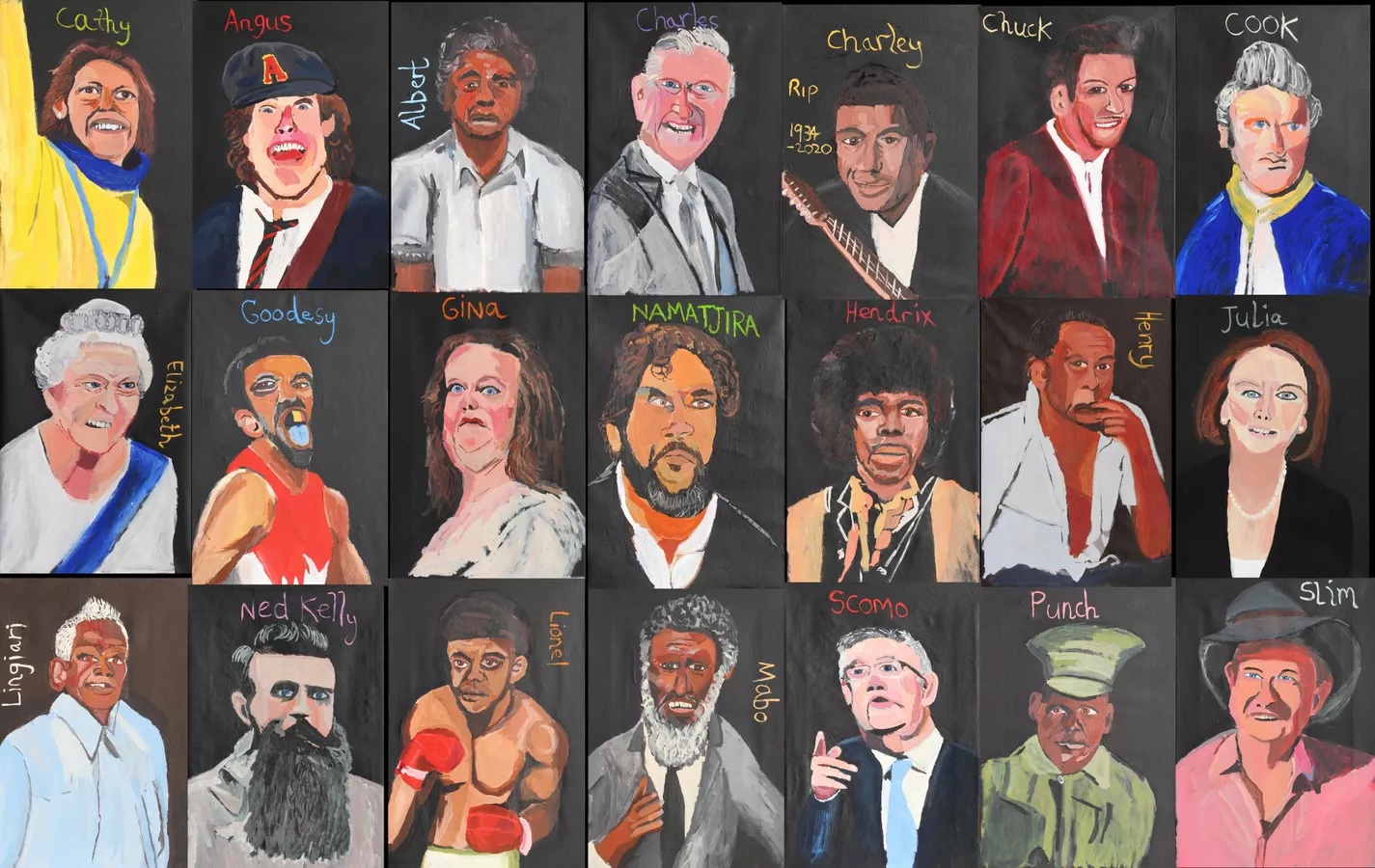
Kate explores how Australian artist Vincent Namatjira redefines portraiture to confront the legacies of colonialism while envisioning a more inclusive future—one expansive enough to embrace all Australians.

Clarke Reynolds (Mr. Dot) talks with the Art Review about interactive art, changing the narrative around blindness, and creating a world where art is more accessible for all.