May 1, 2026
Opinions
Opinions
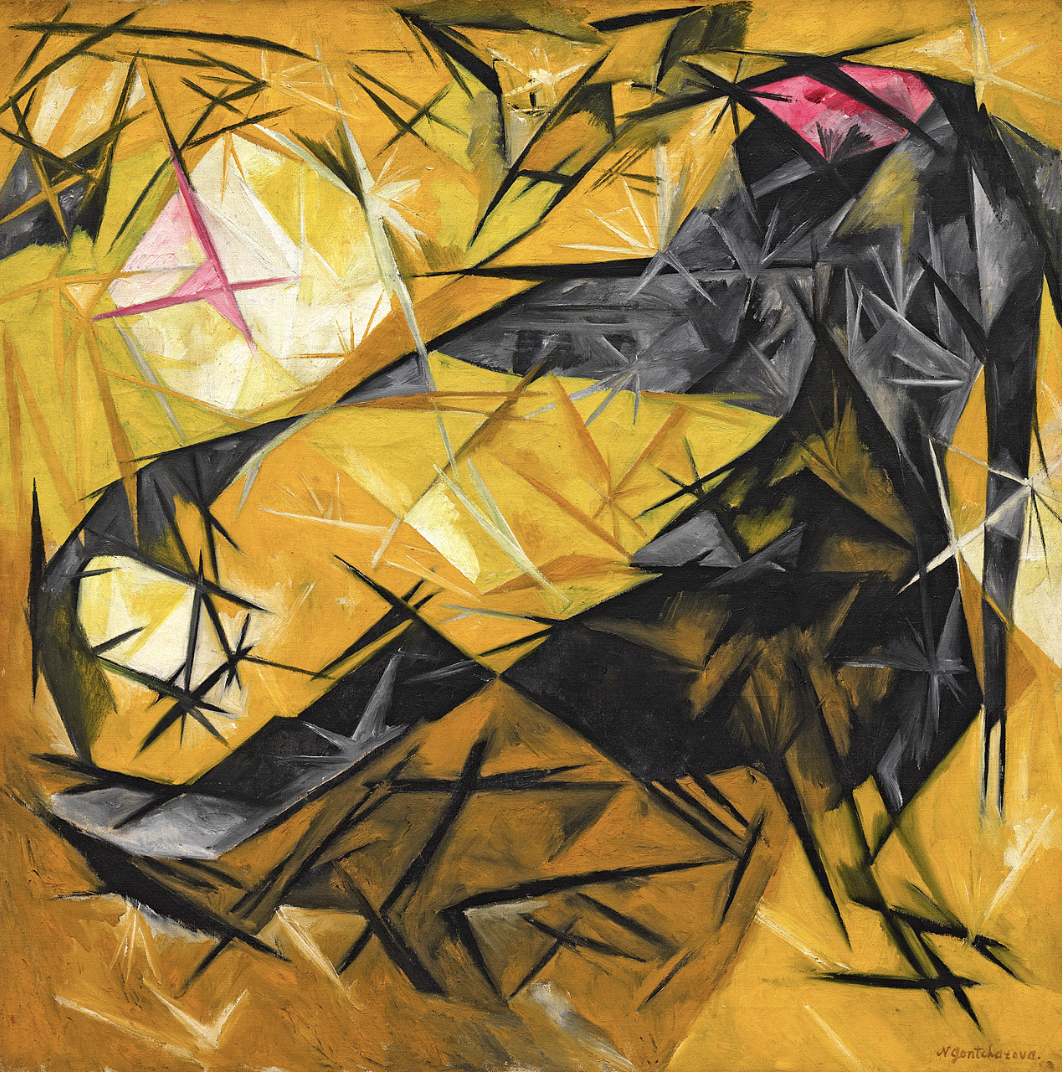
Cara explores how Natalia Goncharova redirects the ambitious, often technologically oriented rhetoric of Russian avant-garde abstraction toward an intimate and playful subject: domestic cats.

ArtBasel is expanding its horizons yet again


ArtBasel is expanding its horizons yet again. After a public competition last yearby the Réunion des Musées Nationaux, Art Basel and its parent company MCH Groupwere awarded a seven-year contract to direct the contemporary and modern artfair at the Grand Palais in Paris. The project aims to facilitate connectionswith France’s cultural industries, from fashion and design to film and music,by creating an event that enlivens and enriches its host city and willestablish its position in the Parisian cultural scene. Outgoing Global DirectorMarc Spiegler explained that “with its incomparable history and contemporarydynamism, Paris is uniquely positioned as a pivotal epicenter of theinternational cultural scene. We aim to build on Paris’s unparalleled standingas a global metropolis to help create a vibrant week that even furtheramplifies the city’s international resonance as a cultural capital.”
DespiteArt Basel’s enthusiasm, there was some French push-back against the Swisstakeover of a weekend that traditionally belonged to Foire Internationaled’Art Contemporain (FIAC), France’s flagship contemporary and modern art fairfor the past half century. Prominent figures of the French art world expressedconcern that this exhibition would simply become another outpost for the ArtBasel brand, which has stamped its logo on a great number of cities already. Inan effort to make the fair more French (and less Art Basel), they decided onthe name ‘Paris+’ (pronounced ‘Paree ploos’), which is also a nod to theall-encompassing approach to Parisian culture Marc Spiegler hoped to representat the fair.
Notwithstandingthe French resistance, it seems the inaugural exhibition was a success. Lastweek, from October 20th to 23rd, 40,000 visitors flocked to the Grand Palais Éphémère (a temporary stand-infor the Grand Palais which is under construction until 2024) to visitexhibitions from 156 leading galleries representing 30 countries.Although gallerists conceded that the Art Basel approach felt more corporatewith less of the Parisian charm of FIAC, New York art dealer David Zwirmernoted that FIAC had “tended to underperform” for his gallery. Acknowledging the limitedspace of the Grand Palais Éphémère, Paris+opted for quality over quantity. They invited a smaller number of galleries andinstead focused on presenting truly exceptional works by key artists thathadn’t been seen at Frieze London the week before. Paris+ also highlightedemerging galleries, dedicating a central space to 16 risingdealerships and discounting the participants’ booth fees by 50%.
We’ll see what happens at next year’sParis+ !
Cara explores how Natalia Goncharova redirects the ambitious, often technologically oriented rhetoric of Russian avant-garde abstraction toward an intimate and playful subject: domestic cats.
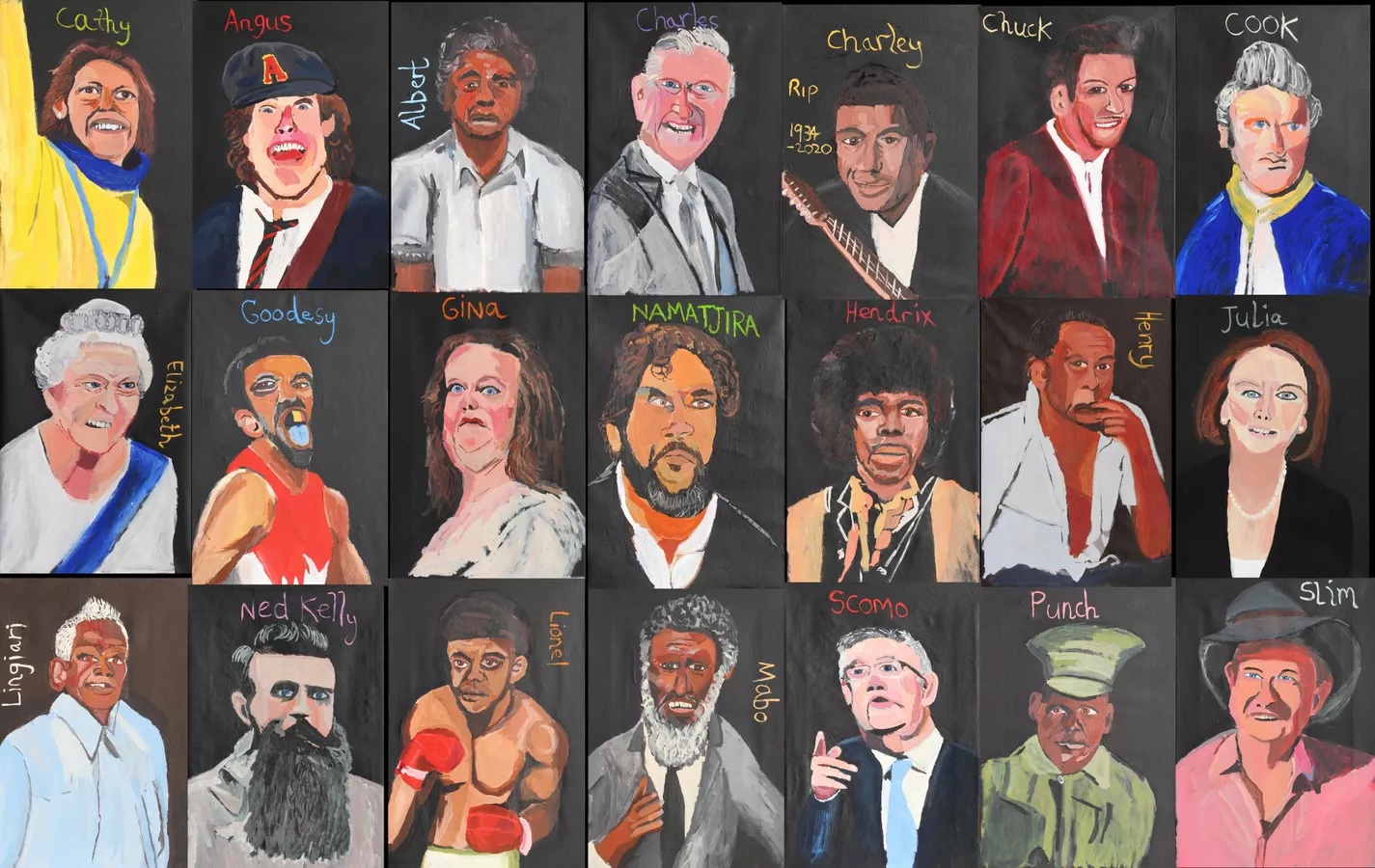
Kate explores how Australian artist Vincent Namatjira redefines portraiture to confront the legacies of colonialism while envisioning a more inclusive future—one expansive enough to embrace all Australians.

Clarke Reynolds (Mr. Dot) talks with the Art Review about interactive art, changing the narrative around blindness, and creating a world where art is more accessible for all.