May 1, 2026
Opinions
Opinions
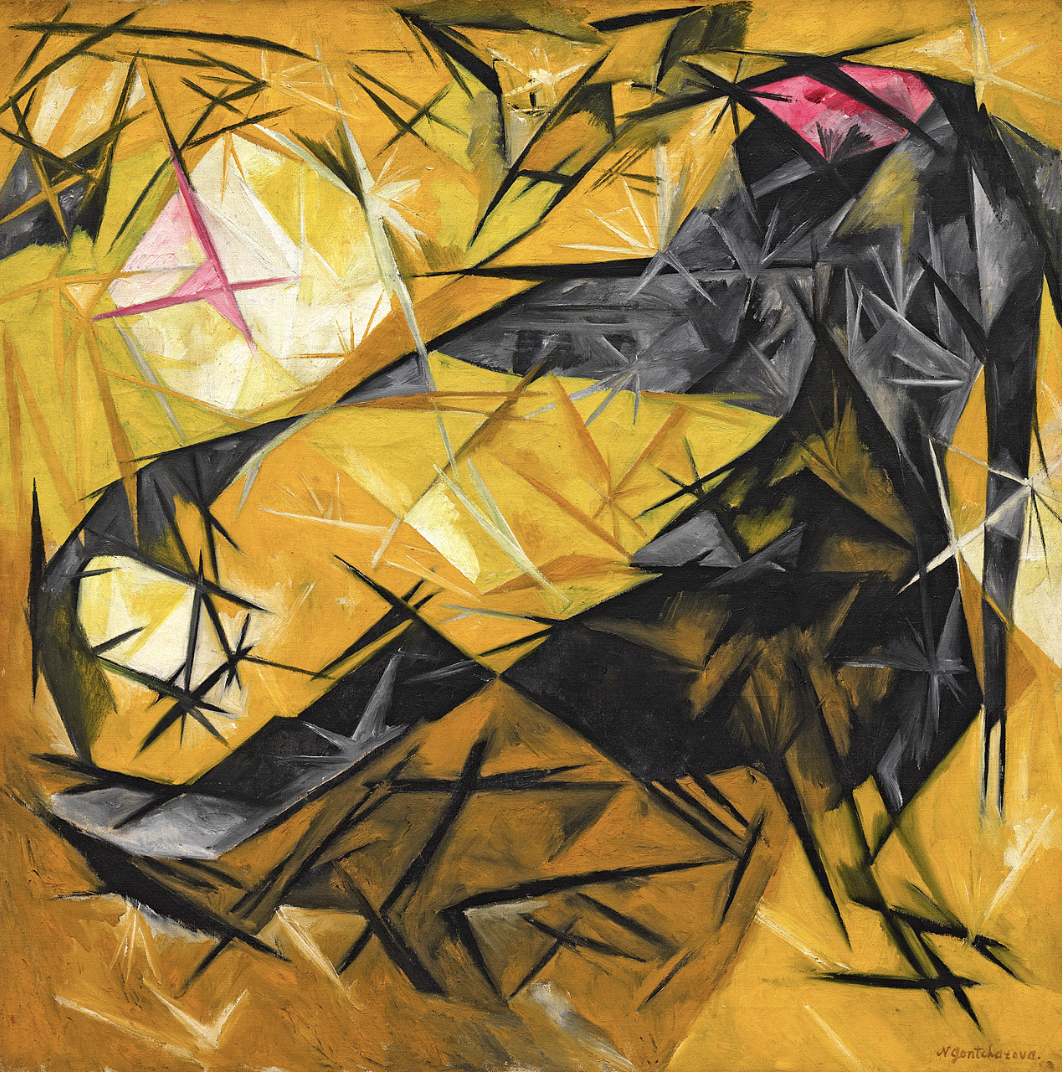
Cara explores how Natalia Goncharova redirects the ambitious, often technologically oriented rhetoric of Russian avant-garde abstraction toward an intimate and playful subject: domestic cats.


On October 11th, 2022, the RISD Museum took part in a transfer ceremony officially announcing the repatriation of Head of a King (Oba) to the Nigerian National Collections. This statue is one of the renowned Benin Bronzes which were created in 17th Century Imperial Benin and later pillaged by British Forces during the 1897 British siege of Benin.They hold much cultural and historical significance as symbols of African power and wealth. The Smithsonian and the National Gallery of Art were also participants in the ceremony, pledging to return the Benin Bronzes in their collections. Altogether, 31 of the sculptures will be returned to Nigeria.
A press statement issued by RISD Museum Interim Director Sarah Ganz Blythe reads, “In 1897 the Head of an Oba was stolen from the Royal Palace of Oba Ovonranwmen. The RISD Museum has worked with the Nigerian National Commission for Museums and Monuments to repatriate this sculpture to the people of Nigeria where it belongs. We are honored to join with the National Gallery of Art and Smithsonian Institution in important work, as the first US institutions to return Benin Bronze.”
In response to RISD’s repatriation of Head of King (Oba),Director-General of the National Commission for Museums and Monuments Abba Isa Tijani commended the museum’s actions and stated, “The entire world is welcome to join in this new way of doing things. Away free from rancors and misgivings. A way filled with mutual respect.”
In the past several decades, museums and galleries around the world have grappled with the ethical implications of continuing to display art looted from other countries and cultures. Though some argue that a museum’s function is to reflect a globalist outlook and facilitate the viewing of art from all around the world, there is an overarching consensus that holding onto these objects perpetuates a system of colonization and deprives rightful owners of their property. The RISD Museum’s decision to return the Benin Bronze is indicative of this moral shift, serving as an example of museums’ new roles and modern responsibilities.
Sources:
https://risdmuseum.org/art-design/collection/head-king-oba-d39054
https://risdmuseum.org/node/1175056
https://www.khanacademy.org/humanities/special-topics-art-history/arches-at-risk-cultural-heritage-education-series/whose-art/a/repatriating-artworks#:~:text=It%20is%20morally%20correct%2C%20and,returned%20to%20its%20rightful%20owner.&text=Cultural%20objects%20belong%20together%20with,contemporary%20cultural%20and%20political%20identity
Cara explores how Natalia Goncharova redirects the ambitious, often technologically oriented rhetoric of Russian avant-garde abstraction toward an intimate and playful subject: domestic cats.
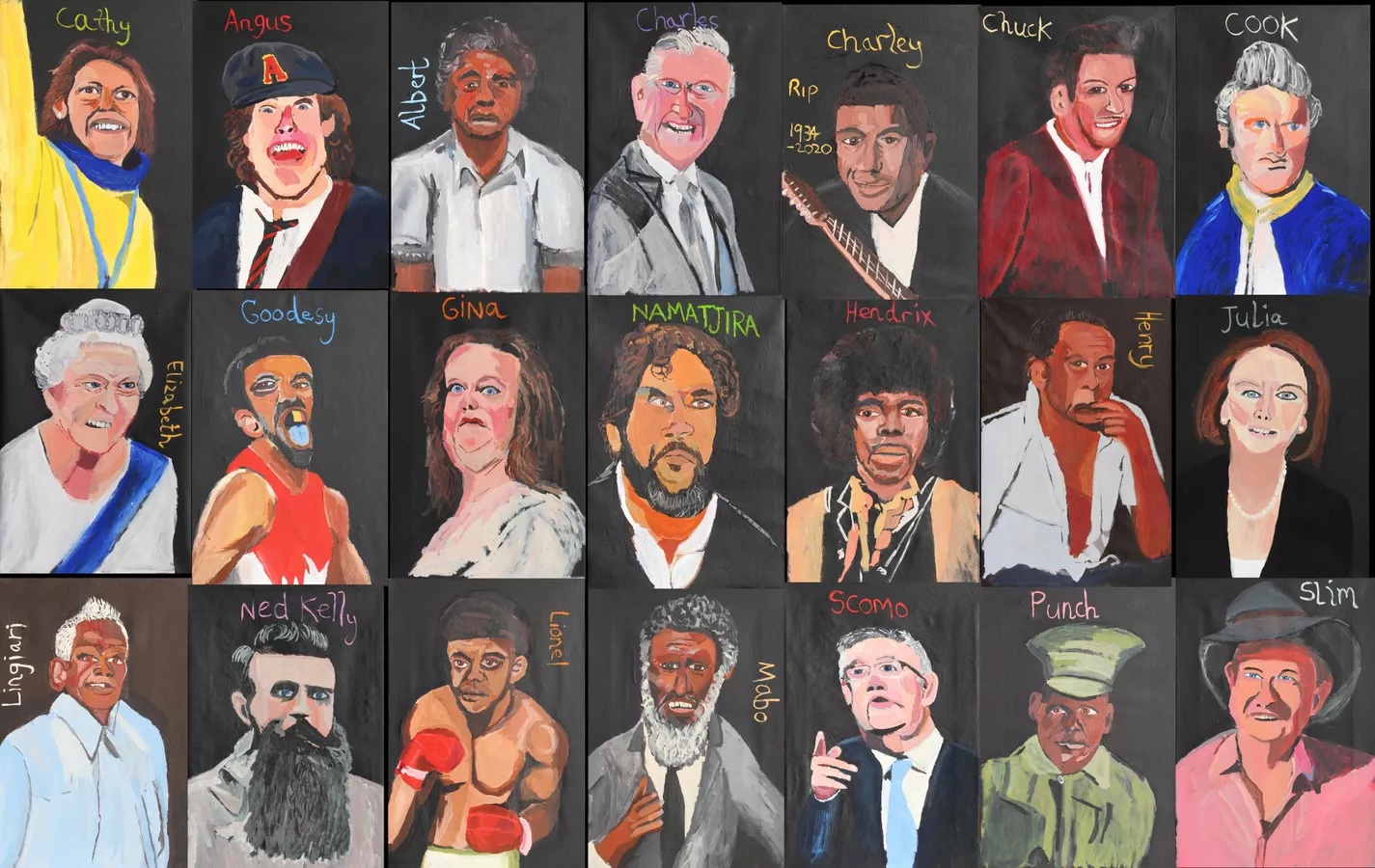
Kate explores how Australian artist Vincent Namatjira redefines portraiture to confront the legacies of colonialism while envisioning a more inclusive future—one expansive enough to embrace all Australians.

Clarke Reynolds (Mr. Dot) talks with the Art Review about interactive art, changing the narrative around blindness, and creating a world where art is more accessible for all.