May 1, 2026
Features
Features
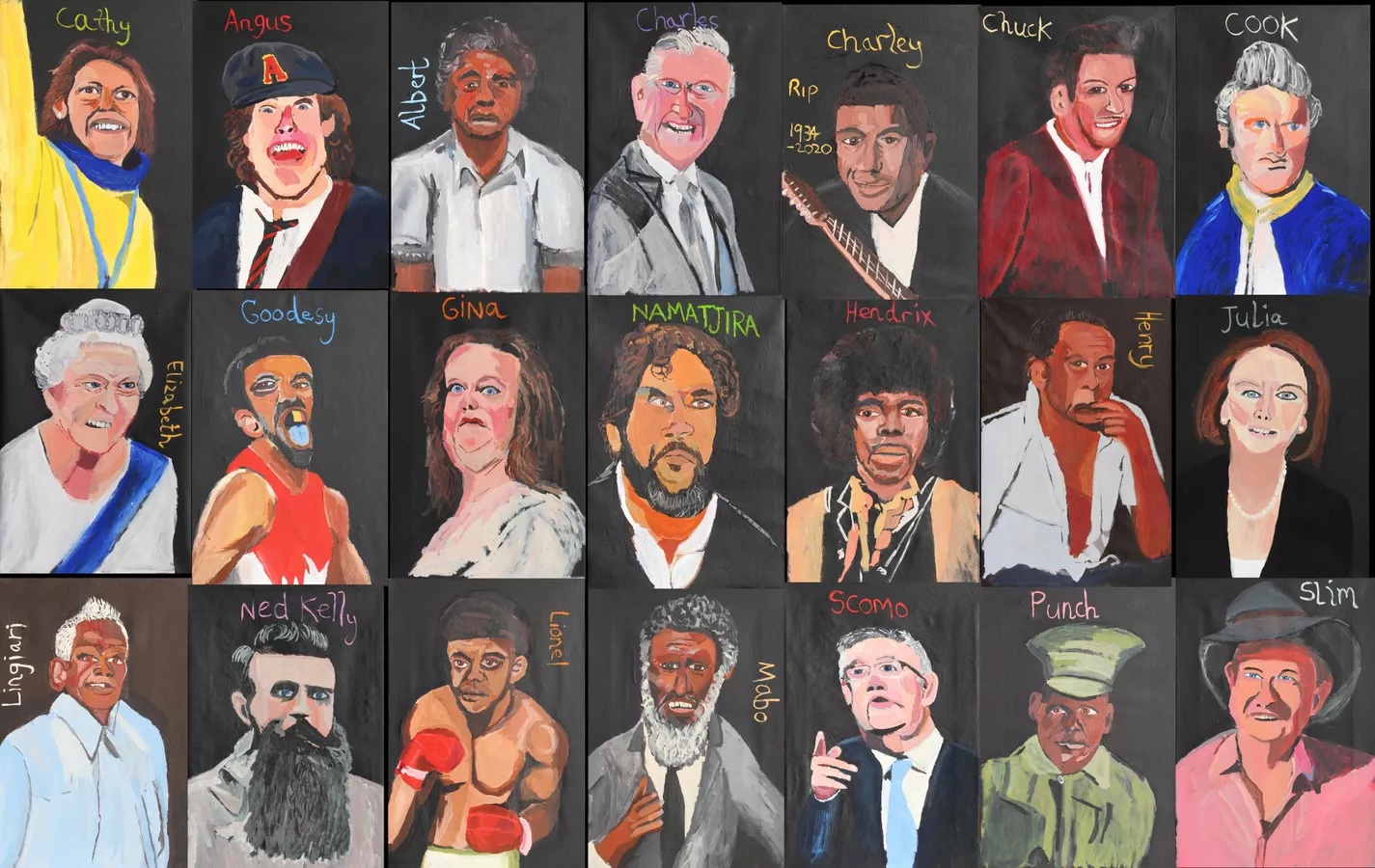
Kate explores how Australian artist Vincent Namatjira redefines portraiture to confront the legacies of colonialism while envisioning a more inclusive future—one expansive enough to embrace all Australians.


Kate explores how Australian artist Vincent Namatjira redefines portraiture to confront the legacies of colonialism while envisioning a more inclusive future—one expansive enough to embrace all Australians.

Beginning her career surrounded by Abstract Expressionists, artist Audrey Flack grappled with her impulse toward Baroque-inspired, illusionistic, and iconographic work for decades. After pioneering an often disregarded sentimental dimension of Photorealism within a male-dominated 1970s art world, the contemporary art world at last fully embraced her final body of work before her death in 2024.

How important is medium for meaning? Can we even distinguish the two? Blek le Rats’ "Venus in Mexico" forces us to consider how meaning intertwines with medium.

When a group of Ethiopian artifacts went on special display at the V&A in 2018, they reopened an 11-year debate about the state of these objects and their repatriation. As the V&A faced mounting pressure to confront its colonial legacy over the return of the Mäqdäla Crown—an artifact bound to a defining moment in Anglo-Ethiopian history. Adapted from a seminar paper the author wrote for HIST0150K: Curators, Hoarders, and Looters during the Spring 2024 semester at Brown University.

The Culture Wars of the eighties saw a struggle for dominance between queer rights and conservatism. Campbell considers how prominent artists at the time pursued confrontational thematizations of queerness that destabilized public consensus on sexuality, race, and religion, transforming art into a confrontational political battleground.

Adam discusses the presence of the sciapod within medieval illustrations, examining it in light of St. Augustine’s views on the subject of monstrous races in The City of God and Camille’s modern view of marginal illustrations.